When One Is Targeted, All Must Pay Attention
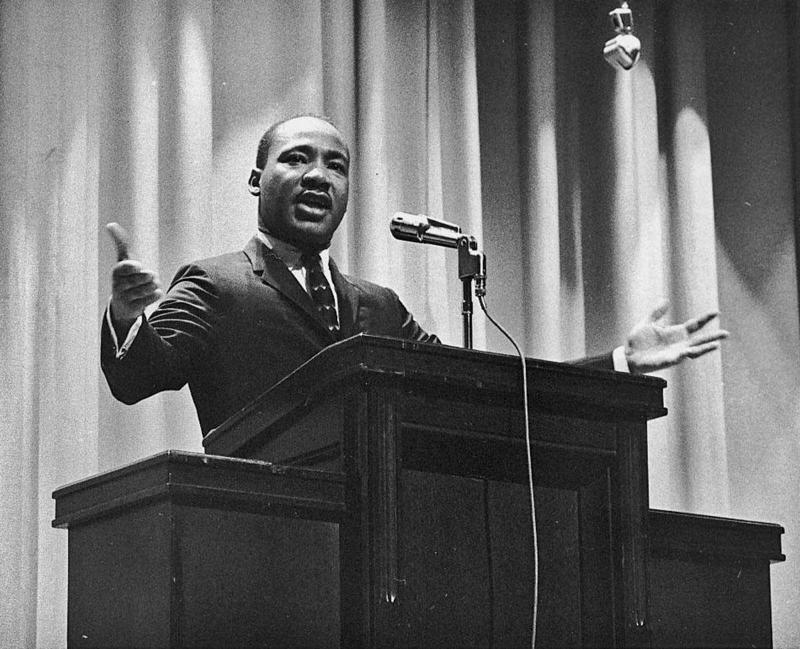
“Injustice anywhere is a threat to justice everywhere.”
Different histories. Shared stakes.
Different communities have different histories, experiences, and priorities. Yet many continue to confront discrimination, exclusion, and unequal treatment. These examples are not exhaustive; they demonstrate why the protection of equal rights cannot be treated as the concern of only the community immediately affected.
One Elected Official's View of Our Shared Stake
Video • 2:40
In these public remarks, Texas State Representative Gene Wu explains how the Black civil-rights struggle helped secure rights and protections from which many communities benefit—and why those communities have a shared responsibility to stand together.
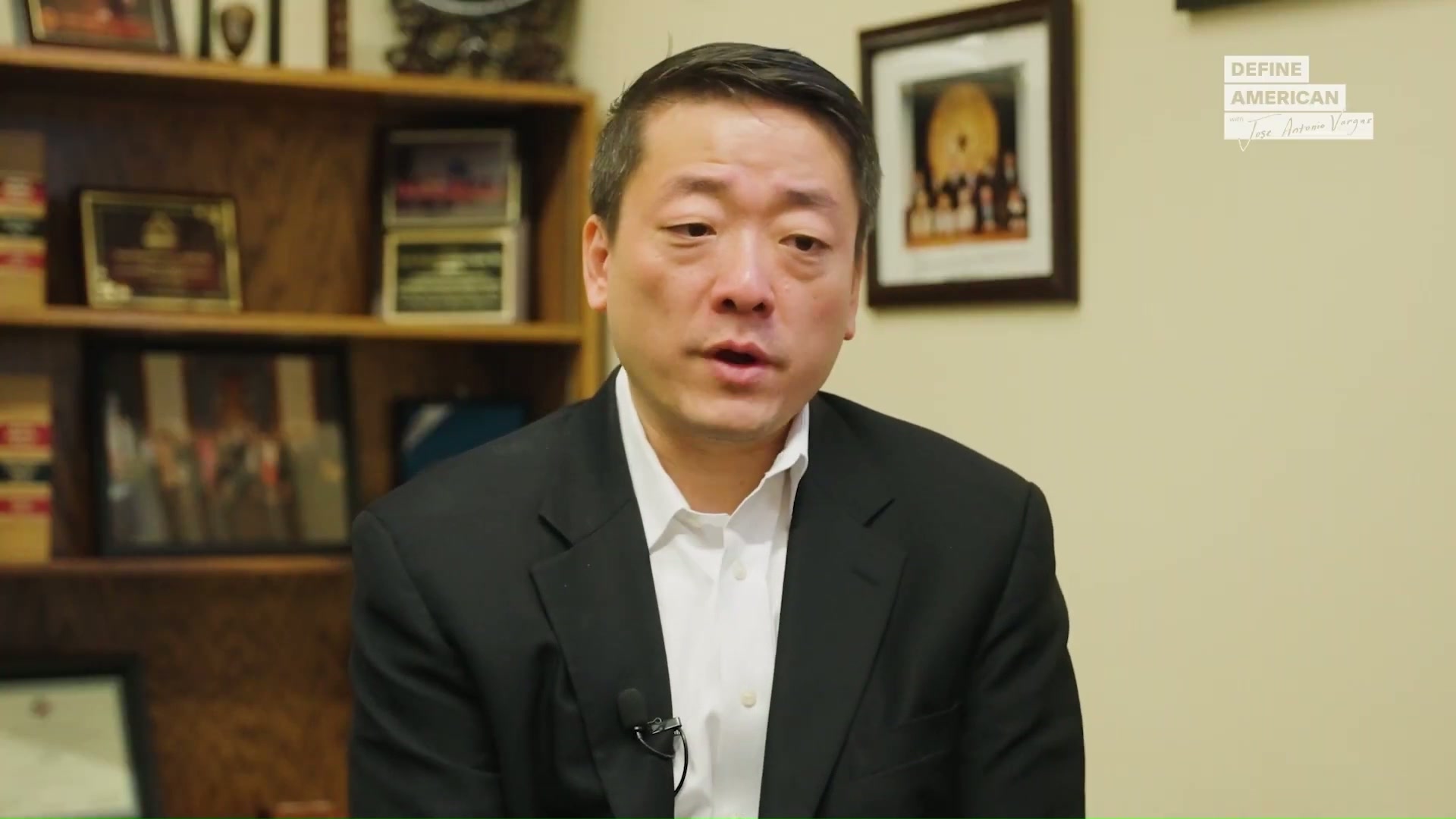
Presented for its relevance to the Shared Stake concept. Its inclusion does not indicate Representative Wu's endorsement of, affiliation with, or participation in Shared Stake.
Black communities: racial profiling, unequal enforcement, voting restrictions, economic exclusion, and disparities in housing, education, employment, and healthcare.
Latino communities: ethnic profiling, language discrimination, unequal access to opportunity, voting barriers, and immigration-related targeting.
Asian American communities: hate violence, racial stereotyping, scapegoating, language barriers, and exclusion from full civic participation.
Muslim communities: religious profiling, surveillance, employment discrimination, hate crimes, and threats to religious freedom.
Jewish communities: antisemitism, hate crimes, intimidation, attacks against religious institutions, and the normalization of harmful stereotypes.
Immigrant communities: discrimination based on national origin or immigration status, family separation, workplace exploitation, and barriers to due process and civic participation.
LGBTQ communities: discrimination in employment, housing, healthcare, education, and public life, as well as violence and efforts to deny equal protection.
Native American communities: threats to tribal sovereignty, land and water rights, unequal access to public resources, and the continuing crisis of missing and murdered Indigenous people.
Women: unequal pay and opportunity, workplace discrimination, gender-based violence, barriers to leadership, and unequal treatment in healthcare and public policy.
Unity creates influence
Political and civic influence grows when communities communicate before a crisis, identify where their interests intersect, and respond with strength in numbers. A coordinated voice can focus public attention, inform voters, engage public officials, influence institutions, and make clear that discriminatory treatment will not be viewed as an isolated concern.
This does not require every community to adopt every position advanced by another organization. It creates a dependable connection through which communities can listen, evaluate the facts, identify the shared principle at stake, and determine together whether a collective response is warranted.
A NATO principle for civil rights
NATO is widely understood through its collective-defense principle: an attack against one member is treated as a concern of all. Shared Stake applies the underlying principle of collective support—not military action—to civil rights and civic solidarity.
When the fundamental rights of one community are threatened, the others should not remain on the sidelines simply because they are not the immediate target. The expectation should be clear: an effort to deny one community equal citizenship, equal protection, equal opportunity, or equal voice will command the attention of many communities and may generate a coordinated civic response.
The NATO of Civil Rights
Not a military alliance. A civic commitment that no community should have to defend its fundamental rights alone.
In Shared Stake’s usage, NATO means Network Against Targeted Oppression. It is a peaceful civic framework and is not affiliated with, sponsored by, or endorsed by the North Atlantic Treaty Organization.
Independent communities. Shared commitment.
Participating organizations retain their own identity, leadership, mission, priorities, and decision-making authority. They are not subordinated to Shared Stake or to one another. Communities are not required to agree on every issue, treat different histories as equivalent, or automatically endorse every proposed response.
The shared commitment is narrower and stronger: remain connected, pay attention when another community is targeted, communicate honestly, and act together when fundamental rights and agreed principles are at stake.
No community should be left to stand alone.
An attack on the fundamental rights of one community must command the attention of all.
When one is targeted, all pay attention. When common principles are threatened, we respond together.