
Founder and Convener, Shared Stake
About JW Cherry III
Strategist • Coalition Builder • Community-Focused Problem Solver
Professional credibility. Community understanding. Coalition-based execution.
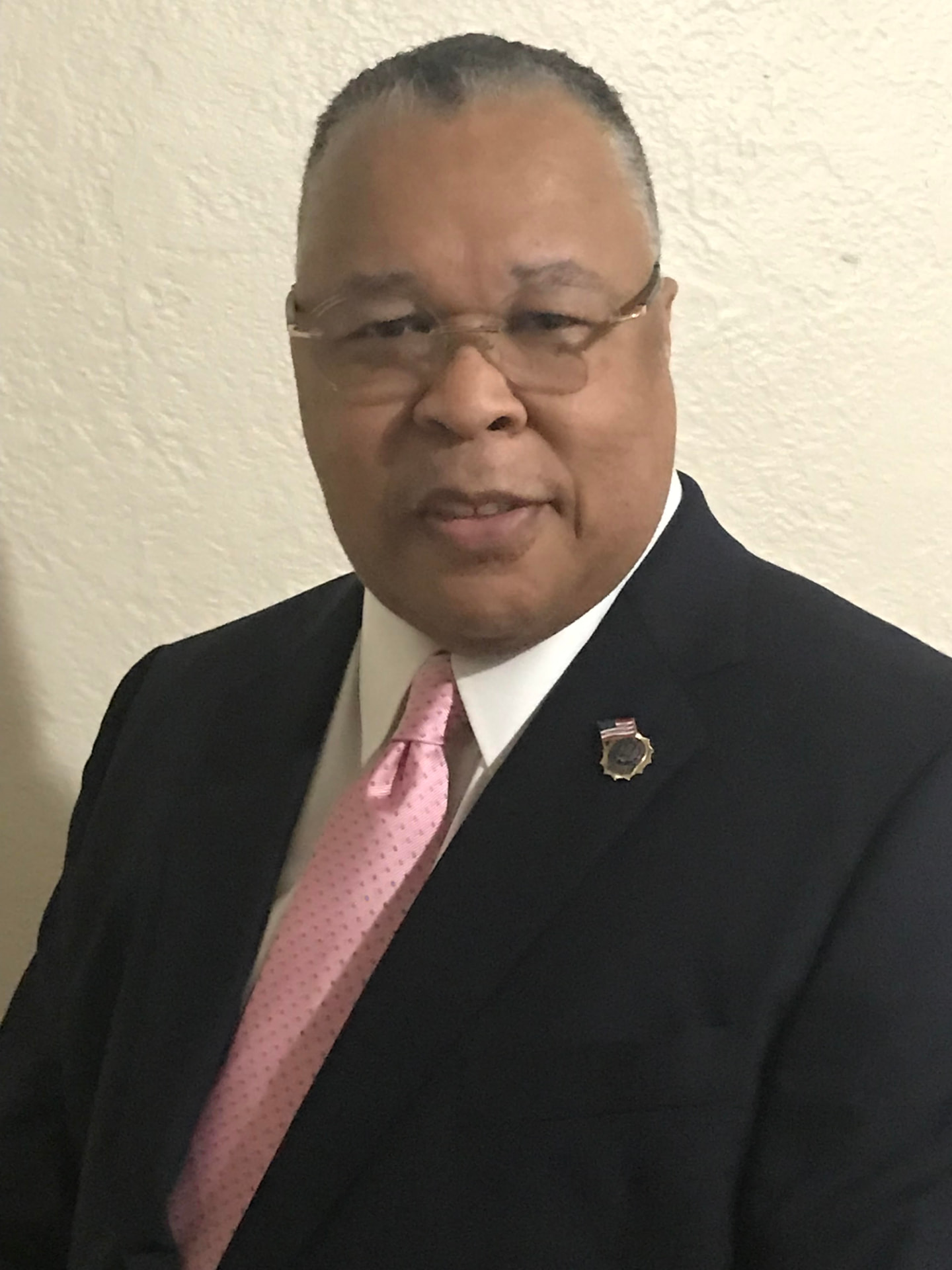
A Life Shaped by Service and Enterprise
John "JW" Cherry III discovered his gifts through service in the church. Some of the mothers of the church recognized his leadership qualities and believed he might be called to pastoral leadership. JW knew that was not his path. Instead, as a young deacon, he established youth lunch programs and provided training that helped young people obtain employment.
Through that work, he discovered his calling in the “ministry of helps”—using his leadership, experience, and resources to serve others and create opportunities. That calling has guided his life’s journey across the length and breadth of the country, including the establishment of the first of many businesses.
For more than three decades, JW has worked at the intersection of finance, real estate, community development, and economic empowerment. Rather than focusing solely on individual transactions, he has built a career identifying systemic challenges affecting homeowners, neighborhoods, small businesses, and underserved communities—and developing practical strategies to address them.
His experience includes mortgage banking, investment advisory services, real estate development and investment, title services, business leadership, and community advocacy. His work has encompassed housing preservation, neighborhood redevelopment, financial education, civic engagement, and initiatives designed to expand access to opportunity and wealth creation.
Leadership Philosophy
JW’s work begins with listening. Effective strategy, in his view, is grounded in direct engagement with residents, neighborhoods, and community stakeholders—not simply to address one matter at a time, but to understand the patterns, challenges, risks, and opportunities that can inform broader solutions.
His leadership style centers on connecting investors, business professionals, community leaders, nonprofit organizations, and public stakeholders around shared objectives. He believes progress becomes possible when people understand the common stake they hold in an issue and have a practical structure through which to act together.
Shared Stake: Building the Connection
JW initiated Shared Stake to build, strengthen, and sustain connections among communities and established organizations with different histories, identities, and priorities. Existing organizations are primarily dedicated to serving their respective communities. Shared Stake’s primary mission is to build and sustain connections among those communities—the continuing work of identifying common interests, maintaining relationships, and strengthening communication so they can pursue solutions and advance the well-being of each community with greater strength in numbers and, where required, collective political power.
Shared Stake’s references to collective political power mean lawful, nonpartisan issue advocacy, civic participation, public education, and communication with public officials. Shared Stake does not support or oppose candidates or political parties.
The premise is simple: communities do not have to agree on everything to work together on important matters where they share a common stake. Shared Stake is intended to serve as a connecting thread that can speak with organizations across communities when an issue deserves broader attention, coordinated planning, or a collective response. It is not organized to compete for headlines or to place one organization above another. Its purpose is to make the connection stronger, more consistent, and more useful.
No participating organization would be asked to subordinate itself, alter its mission, surrender its leadership, or reduce its focus on the community it serves. Communities would not be expected to agree on every issue or treat different histories as equivalent. Participation would mean remaining connected, bringing experience and perspective to the table, and considering collaboration when shared interests or fundamental rights are affected.
The initiative is guided by four working principles: Equal Citizenship, Equal Protection, Equal Opportunity, and Equal Voice. Together, these principles provide a common framework for addressing discrimination and unequal treatment across communities without requiring agreement on every issue.
JW’s role is to convene the initial conversation and help shape the coalition’s agenda collaboratively with like-minded individuals, communities, and participating organizations—not to determine it alone.
Signature Initiatives
Community Stabilization & Property Tax Relief Initiative (1996)
JW helped establish a collaborative initiative involving the New York City Department of Finance, an assigned department ombudsman, the NAACP, Christian Life Center—now known as Christian Cultural Center—and participating mortgage lenders. The program created access to more than $100 million in lending resources, enabling property owners facing tax delinquency to obtain financing at approximately 9% rather than incur the City’s 18% penalty rate. The initiative helped preserve homeownership and neighborhood stability across New York City.
Community Institution Capital Strategy — East New York, Brooklyn
As part of a leadership initiative supporting Christian Cultural Center, JW helped coordinate more than $20 million in capital resources for facility development and community programming. He designed an innovative strategy that leveraged members’ financial instruments, reducing reliance on third-party borrowing and keeping investment dollars circulating within the community.
He also served as a founding board member of the International Christian Brotherhood (ICB), helping develop leadership, mentorship, and community outreach programs.
Core Capabilities
Community and economic development
Coalition building and stakeholder alignment
Housing preservation and neighborhood stabilization
Mortgage banking and investment advisory services
Financial education and wealth-building strategy
Civic engagement and public-private partnerships
His work is not defined by transactions. It is defined by transformation.